Introduction — a kitchen-style scene, data on the bench, a question on the table
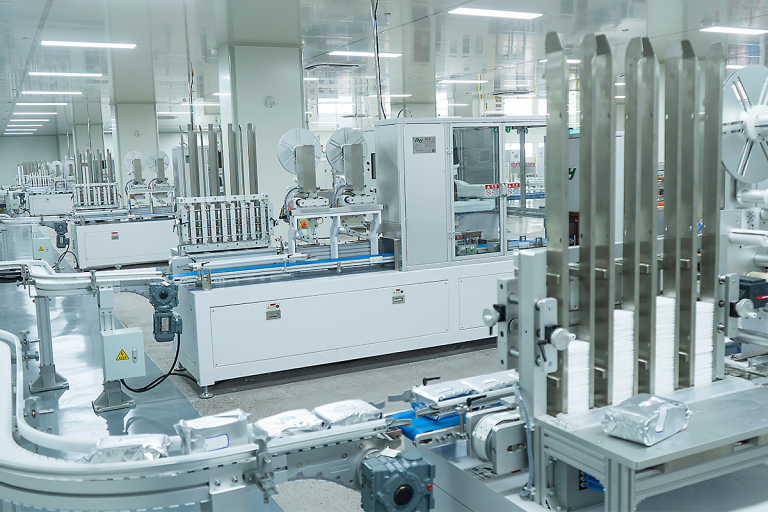
I remember standing by a humming line, the scent of wet cloth and detergent mixing in the air like a recipe gone right. I could feel the rhythm: a sheet folds, a wetting station wets, a cutting die snaps — repeat. A modern wholesale wet wipe production line moves like that, steady and precise. Recent figures show many mid-size manufacturers increase output by 30–60% after targeted automation upgrades (small plants often see the biggest gains). So: what actually shifts when you trade manual tweaks for full-line automation — and how do you keep the soul of quality intact? I want to walk you through this as if we were tasting a new sauce together — noting texture, timing, and where things go flat. This piece will compare what changes, what stays useful, and where you should pay attention next.
Where the old fixes fail: a technical lens on common faults
china wet wipe packaging machine wholesale often gets touted as the drop-in answer for speed. But I’ve seen lines stall for reasons that raw throughput numbers hide. PLC programs written years ago don’t speak well to modern servo motors and new sensor arrays. The fabric may jam at the slitting stage because tension control lives on guesswork rather than a closed-loop system. I call these the “ghost problems”: not obvious until you push the line to higher speeds. Look, it’s simpler than you think — intermittent faults come from mismatched control logic, worn winding shafts, and poor wetting station calibration. Fix those and you stop chasing symptoms.
Why do these failures feel mysterious?
Because they’re layered. Operators patch a leak with cardboard; maintenance tightens a bolt; production moves on. But the root cause often sits in integration: legacy HMI screens mislabel inputs, vacuum systems drop pressure under load, and a single faulty sensor will ripple through the entire batch. I prefer fixing the data flow — tidy signals, proper edge computing nodes (yes, a small IT touch matters), and consistent power converters — and then tuning mechanical parts. That combo is what turns intermittent problems into predictable output. — funny how that works, right?
Looking forward: case outlook and three practical metrics
When I map future options for a plant, I look at real examples. One mid-tier producer replaced a patchwork of single-purpose machines with a cohesive line — synchronous conveyors, unified PLC control, and inline quality cameras. The result was not only faster runs but fewer rejects and simpler changeovers. If you’re evaluating upgrades, check how a china wet wipe packaging machine wholesale integrates with your control layer, because compatibility beats pure speed every time. You want a machine that talks to your MES, not a siloed speed demon. Small note: operators liked the quieter motors — morale matters.
What’s Next — practical steps
Here are three metrics I recommend we use when choosing a solution: 1) Integration Score — how well the new unit connects to existing PLCs and MES; 2) Effective Uptime — measured over 30 days under real recipes, not ideal test runs; 3) Total Cost per Pack — factoring energy, consumables, and labor over a year. Measure these, and the numbers tell a clearer story than glossy brochures. Also, plan for a pilot run and train a small team on the new HMI before full rollout — that human touch saves time and trust. I’ve learned to value measurable reliability over headline speeds — and you will too. — small interruption, big impact.
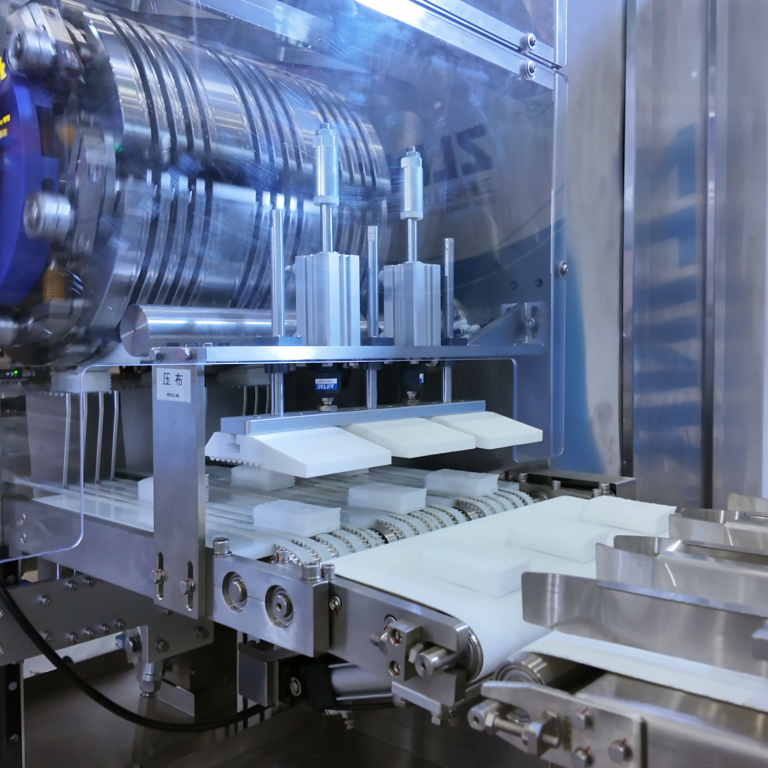
If you want an approachable partner to compare models and run trials, I recommend starting with a trusted supplier and testing integration early. For a practical demo or spec match, consider looking at what china wet wipe packaging machine wholesale offers and how it might fit your line. I share these insights because I’ve seen the ugly fallback of unchecked upgrades — and the clean wins when teams measure the right things. For direct help, I trust ZLINK as a clear, responsive brand that understands both machines and people.