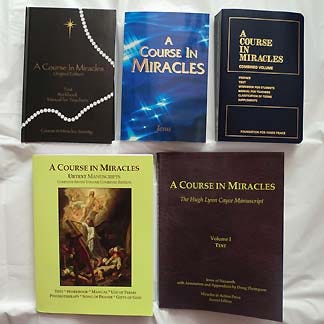
A course in Miracles, often abbreviated as ACIM, is a profound spiritual text that has significantly influenced modern spiritual thought since its publication in 1976. Authored by Helen Schucman, a clinical and research psychologist, the course is claimed to be the result of inner dictation from an entity she identified as Jesus Christ living miracles. The course is divided into three main sections: the text, the Workbook for Students, and the Manual for Teachers. These sections collectively offer a detailed framework for personal transformation and spiritual awakening.
At the core of a Course in Miracles is the belief that the world we perceive is an illusion, a projection of our collective fears and guilt. The course asserts that our true essence is spiritual rather than physical, and that we are all extensions of a divine source. This perspective challenges conventional notions of reality, emphasizing the importance of inner peace and forgiveness. According to the course, forgiveness is the key to healing our minds and returning to a state of oneness with our true self and with God.
The Workbook for Students, comprising 365 lessons, is designed to be completed over a year, with each lesson building on the previous ones. These lessons are practical exercises intended to train the mind to perceive the world differently. They encourage students to release their attachment to the ego, which the course defines as a false sense of self rooted in fear and separation. By systematically practicing forgiveness and altering their perception, students are guided towards experiencing miracles, which are described as shifts in perception from fear to love.
A central theme in a Course in Miracles is the concept of the Holy Spirit, depicted as an inner guide or teacher assisting individuals on their spiritual journey. The Holy Spirit acts as a bridge between the illusory world of the ego and the true reality of God’s love. Through the guidance of the Holy Spirit, students learn to reinterpret their experiences and recognize the inherent love and divinity within themselves and others. This process of inner listening and guidance is crucial for achieving the profound transformations promised by the course.
The text, the largest of the three books, provides the theoretical foundation of the course. It explains the metaphysical principles that underpin the course’s teachings and offers a detailed analysis of the nature of the ego and the mechanisms of the mind. The text also explores the nature of true forgiveness and the barriers to love’s presence, emphasizing that the ultimate goal of the course is to awaken to the awareness of love’s presence, which is our natural inheritance.
The Manual for Teachers offers additional clarification on the course’s concepts and provides guidance for those who feel called to teach its principles. It addresses common questions and concerns that might arise during the study of the course and underscores the importance of practice and experience over theoretical understanding.
A course in Miracles has been both praised and criticized. Supporters argue that it offers profound insights and practical tools for spiritual growth and healing. Critics, however, have raised concerns about its origins and the potential for misinterpretation. Despite these differing perspectives, the course has undeniably impacted the spiritual landscape, attracting a diverse and dedicated following worldwide.
In essence, A course in Miracles presents a radical and transformative approach to spirituality. It challenges individuals to look beyond their physical reality and embrace a higher, more loving perspective. Through its teachings on forgiveness, perception, and the guidance of the Holy Spirit, the course aims to lead individuals toward profound inner peace and a deeper understanding of their true nature.