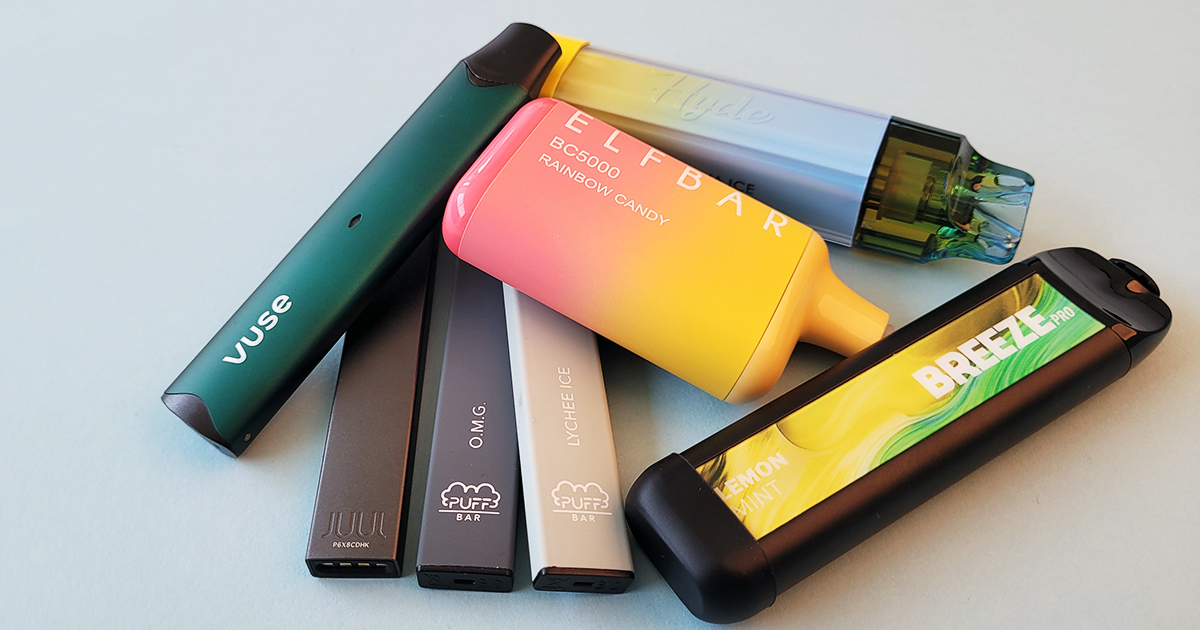
Vaping, the act of inhaling and exhaling aerosol produced by an electronic cigarette or similar device, has transformed how nicotine is consumed and perceived globally. Initially introduced as a potentially safer alternative to traditional smoking, vaping has sparked widespread debate regarding its health effects, regulatory challenges, and societal what is salt nicotine impact. This article delves into the multifaceted world of vaping, tracing its origins, examining current controversies, discussing regulatory responses, and contemplating its future trajectory.
Origins and Innovation
Vaping’s modern history dates back to 2003 when Hon Lik, a Chinese pharmacist, invented the first commercially successful electronic cigarette. Lik’s motivation stemmed from personal experiences with smoking-related health issues, driving him to create a device that vaporizes a liquid solution containing nicotine, propylene glycol, and flavorings. This innovation aimed to provide smokers with a way to satisfy their nicotine cravings without the harmful toxins produced by combustion.
Rise in Popularity and Diverse Appeal
Over the past two decades, vaping has surged in popularity, appealing to smokers seeking harm reduction and individuals attracted to the variety of flavors and customizable experiences it offers. Advocates highlight vaping’s potential benefits, such as reduced exposure to harmful chemicals found in tobacco smoke and the flexibility to control nicotine intake levels. This has led to a diverse market offering everything from discrete, cigarette-like devices to sophisticated, customizable vaporizers catering to different user preferences.
Health Controversies and Scientific Discourse
Despite its popularity, vaping has not been without controversy, particularly concerning public health. Central concerns include the appeal of flavored products to youth, potential nicotine addiction among non-smokers, and uncertainties about the long-term health effects of inhaling aerosolized substances. Scientific research on vaping’s health impacts continues to evolve, with conflicting studies complicating efforts to establish clear guidelines and regulations that balance harm reduction for smokers with public health protection.
Regulatory Landscape and Global Responses
The rapid growth of the vaping industry has posed significant challenges for regulatory bodies worldwide. Responses range from strict regulations limiting sales, advertising, and flavor availability to outright bans on certain products and devices, particularly those perceived as attractive to minors. Regulators grapple with striking a balance between supporting harm reduction for adult smokers while mitigating potential risks, such as youth initiation and addiction.
Cultural Shifts and Social Impact
Vaping has not only influenced health and regulation but also societal norms and behaviors. Discussions about vaping etiquette, its portrayal in media, and its integration into public and private spaces have emerged as critical issues. The normalization of vaping, especially among young people, raises concerns about potential effects on smoking rates and broader public health efforts aimed at reducing nicotine addiction and tobacco-related disparities.
Future Prospects and Challenges
Looking ahead, the future of vaping remains uncertain amidst evolving research findings, regulatory developments, and shifting societal attitudes. Addressing youth access and use, improving product safety standards, and enhancing public awareness of potential risks are key challenges. Collaboration among stakeholders—health authorities, researchers, policymakers, industry leaders, and community advocates—will be crucial in navigating the complexities of vaping responsibly and promoting public health while respecting individual choices and freedoms.
In conclusion, vaping represents a complex intersection of innovation, controversy, and regulation in the realm of nicotine consumption. By critically examining its origins, current challenges, and future prospects, stakeholders can work towards balanced approaches that prioritize harm reduction for smokers while safeguarding public health in an evolving landscape of tobacco control and nicotine regulation.