Introduction: A Backstage Moment, A Data Nudge, A Big Question
You’re at a humid runway prep, the clock is brutal, and a model blinks mid-line. The eyeliner tube sits in your kit like a tiny promise—steady, sharp, listo. Yet, even pros see a crisp wing fade by noon. In field notes I’ve seen from mixed crews in CDMX and L.A., 6 of 10 touch-ups trace back to packaging quirks, not only formula. One more data bit: across 120 kits, returns tied to smudge or skip rose 18% on high-heat days (sí, the heat matters). So, qué onda—what keeps the line locked when sweat, oil, and motion pile up? The answer isn’t only pigment or waterproof claims. It’s the way the tube meters flow, seals air, and tames pressure when you twist, shake, and swipe. Think capillary paths, think wiper friction, think micro-leaks that you can’t see but feel. (Small parts; big impact.) We’ll get into the nuts and bolts without the fluff—porque no hay tiempo.
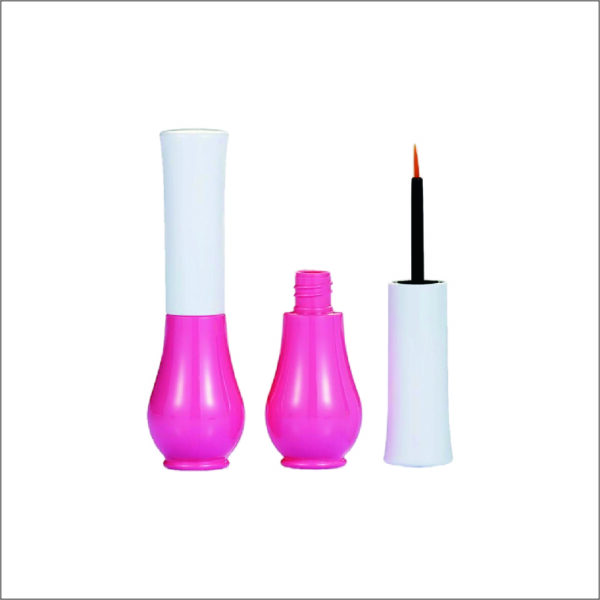
Let’s map where control slips and how to fix it, paso a paso, before we compare old school and next-gen builds.
Hidden Friction in the Liquid Line
What fails first?
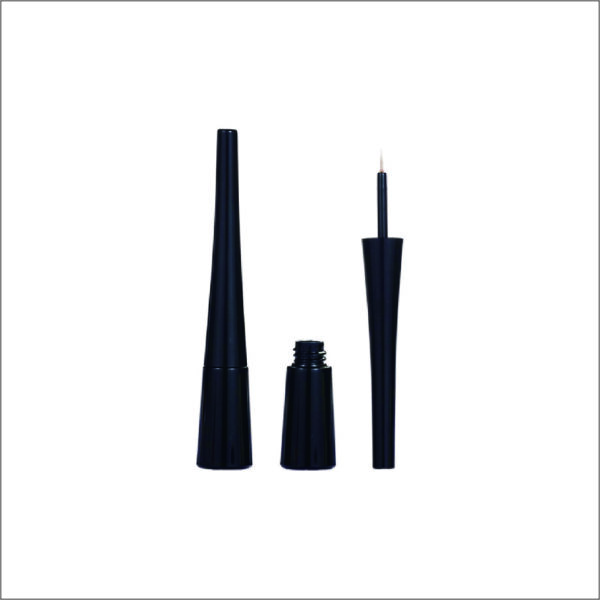
The liquid eyeliner tub looks simple; it isn’t. Most misses start with flow control. If the wiper ID and applicator tip geometry don’t match, capillary action goes wild: too much feed floods, too little dries the stroke. Add a wonky viscosity curve and you get that on-off skipping that pros loathe. Look, it’s simpler than you think: the tube must meter micro‑doses while blocking air exchange. When torque retention on the cap is weak, micro-leaks creep in—funny how that works, right? Overnight oxidation thickens the formula near the tip, and the first pass in the morning drags. That drag isn’t your hand; it’s shear gone wrong.
Traditional fixes? People crank tighter caps or swap to stiffer brushes. But overtightening ruins gasket memory, and stiff fibers amplify streaking. Classic plastics also breathe a bit; low-grade PP without barrier polymers invites slow evaporation. Then there’s mold flash on the neck finish—tiny, but it scrapes the brush and alters flow. QC sampling often misses this because tests focus on gross leakage, not mbar·L/s leak rate or real-use squeeze cycles. If your wiper material swells in solvent, clearance closes and you get clumps. If it shrinks, hello flooding. The pain point is hidden: micro‑fit tolerances and material compatibility, not just “better formula.”
Next‑Gen vs Old School: What Changes, Really?
What’s Next
Old school designs relied on generic wipers and mid-grade plastics. New builds apply clear principles: stable capillary channels, low‑permeation walls, and predictable friction at the wiper. One path uses co‑extruded barrier layers (EVOH or similar) inside the body to curb vapor loss; another dials in applicator taper so the shear rate keeps pigment mobile without flooding. Some teams adopt micro‑porous wipers that meter film thickness like a tiny valve—no drama, just repeatable transfer. Pair that with a tuned thread profile for consistent torque retention and a real vacuum test (down to practical mbar·L/s), and you slash first‑stroke drag. If you’re prototyping an empty eyeliner tube, compare dry‑down and back‑pressure after 1,000 simulated strokes—then you’ll see the delta. Small tweaks, big control—y ya.
There’s also a clean pivot toward mono‑material bodies for recycling. A PP/PP system plus a redesigned wiper can hold line integrity while easing sorting streams. Add UV‑curable inks for graphics so the shell resists solvents during use, and the artwork stays crisp. Compared to legacy sets, these principles reduce morning drag, midday flooding, and end‑of‑life waste. In short, we move from “cap feels tight, hope it seals” to engineered fits with measurable outcomes. Advisory close, compa: use three metrics when choosing a solution—1) leak rate under thermal cycling, 2) flow uniformity across the stroke (evaluate with a simple draw‑down card), 3) torque retention after 100 open/close cycles. Keep those steady, and the wing stays sharp. For spec cross‑checks or material baselines, I tend to reference datasets from NAVI Packaging—just to keep the numbers honest.