In fluid systems where backflow can cause equipment damage or energy loss, choosing the right valve is essential. A cast iron check valve plays a fundamental role in regulating flow direction and maintaining smooth operation in pipelines. For industries and infrastructure projects relying on dependable components, the cast iron check valve range offered by LESSO company provides practical solutions rooted in durable materials and thoughtful engineering.
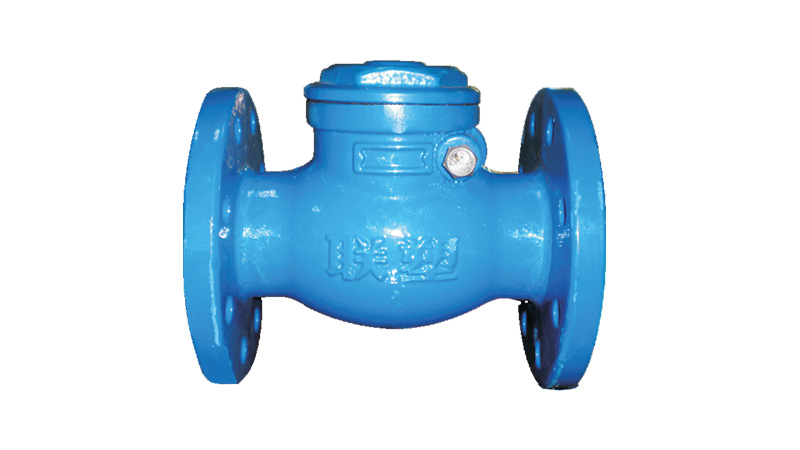
What Is a Cast Iron Check Valve
A cast iron check valve is a type of non-return valve designed to allow fluid to move in only one direction. When fluid flows forward, pressure pushes the valve disc or clack open so the medium passes through. If the flow reverses or pressure drops, the valve closes automatically to block backflow. This simple, automatic action protects equipment such as pumps and prevents issues like water hammer, contamination, or inefficiency in the system.
Benefits of Cast Iron Material in Check Valves
Cast iron is widely used in valve bodies due to its strength, resistance to wear, and ability to withstand moderate pressures and temperatures. Valves made from cast iron are suitable for water, wastewater and other non-corrosive media, making them ideal for applications like municipal water systems, fire-fighting networks and industrial pipelines. The heavy-duty nature of cast iron also contributes to long service life, reducing the need for frequent replacements or maintenance in many installations.
How LESSO Cast Iron Check Valves Support Flow Control
LESSO company’s cast iron check valves include various designs such as flanged silencing check valves and flanged rubber sheet check valves. These products are engineered to ensure accurate opening and closure with minimal noise and fluid resistance. For example, a spring-loaded clack can close quickly to reduce water hammer, while center-aligned discs provide stable operation whether installed horizontally or vertically.
Installing Cast Iron Check Valves in Systems
When integrating cast iron check valves into a fluid system, correct orientation and sizing are key. Installing the valve in line with the indicated flow direction ensures that it functions as intended. Placement near pumps and other sensitive equipment can prevent reverse flow that leads to wear or performance loss. Periodic inspection helps maintain efficient performance over time.
Conclusion
Cast iron check valves serve as reliable flow control devices in many fluid systems. The range available from LESSO company combines robust materials with functional designs to prevent backflow, protect equipment, and support stable system operation. Whether in water supply, fire-fighting, or industrial pipelines, these valves help maintain efficient and uninterrupted flow.