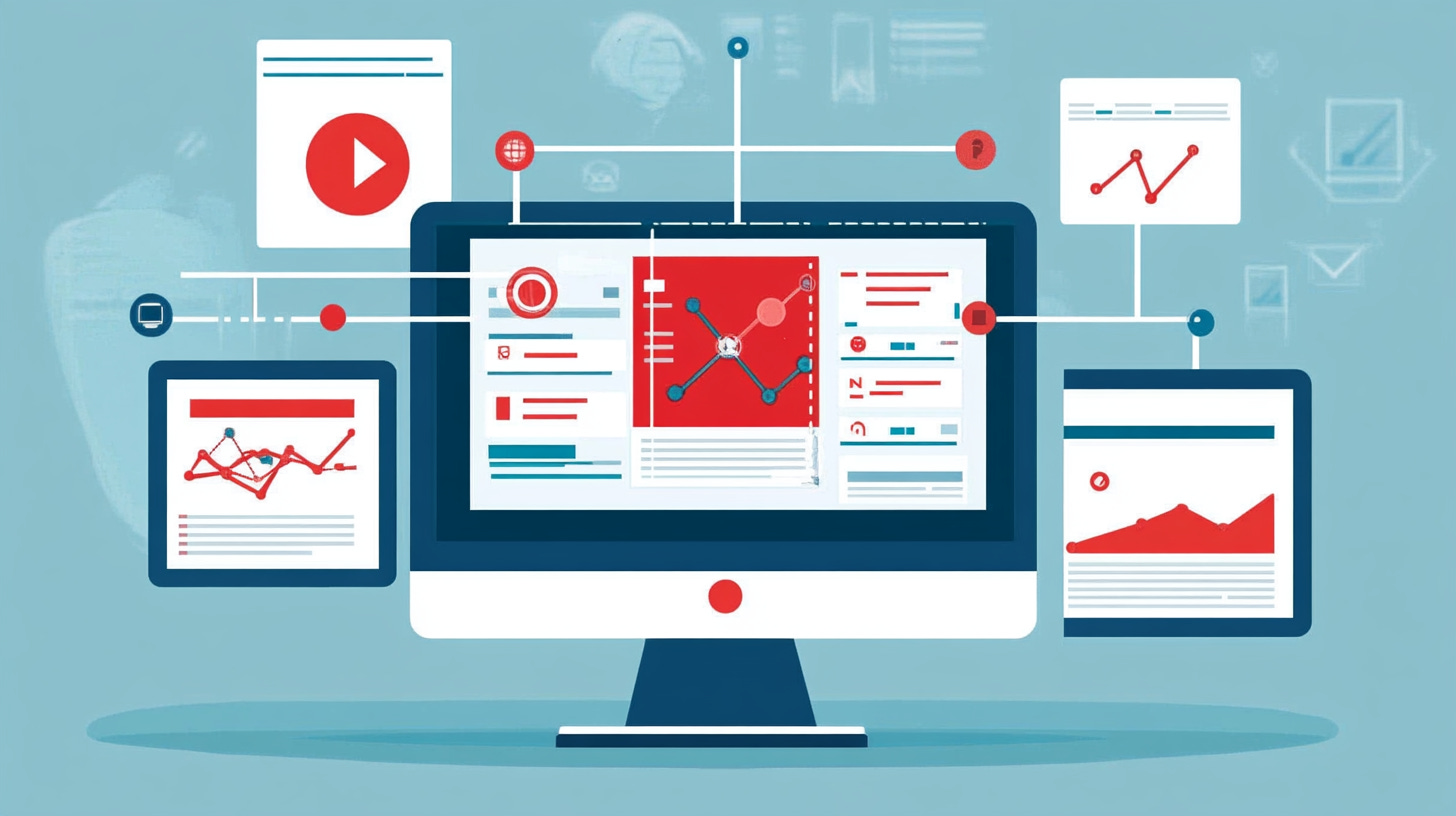
Web scraping has evolved from a simple process of extracting data from static HTML pages to a more sophisticated and powerful tool that can handle dynamic and complex websites. With the rapid advancements in Artificial Intelligence Web Scraping Tool (AI), integrating AI into your web scraping workflow can significantly enhance efficiency, accuracy, and scalability. Whether you’re scraping data for business intelligence, market research, or competitive analysis, incorporating AI can streamline the entire process, making it more adaptive and intelligent. This article will guide you through the steps involved in integrating AI into your web scraping workflow, helping you harness the full potential of AI technologies for more effective data collection.
Step 1: Define the Objectives and Data Requirements
Before integrating AI into your web scraping workflow, it’s essential to first define the objectives of your scraping project. The specific type of data you need and how you intend to use it will determine the approach and AI tools required. For example, if you are scraping product data from e-commerce websites, you may need to focus on extracting key attributes like price, availability, and specifications. For content analysis, you might need to scrape text from blogs, news sites, or social media to conduct sentiment analysis or identify emerging trends. Once the data requirements are clear, consider the complexity of the websites you will be scraping. Websites that use dynamic content loading, JavaScript, or complex navigation structures will benefit the most from AI tools like Natural Language Processing (NLP) and Machine Learning (ML). By understanding your objectives, you can tailor your AI integration for the most efficient and accurate data extraction.
Step 2: Choose the Right AI Tools and Technologies
The next step in integrating AI into your web scraping workflow is selecting the appropriate AI tools and technologies based on your objectives and the type of data you are extracting. For static data scraping, traditional scraping frameworks like Scrapy or BeautifulSoup may be sufficient. However, for more complex tasks such as scraping dynamic websites or analyzing large amounts of unstructured data, you will need AI-powered tools. For example, if you need to scrape websites that load content dynamically with JavaScript or AJAX, Selenium combined with an AI model can simulate human interactions and extract the necessary data. Machine learning models can be used to help the scraper adapt to changing website structures, ensuring data is still extracted correctly when the page layout changes. Additionally, NLP models can be integrated for text-based tasks, such as sentiment analysis, keyword extraction, or content categorization. Libraries such as TensorFlow, PyTorch, or spaCy can be used to develop these models, while cloud-based services like Google AI and Amazon Web Services (AWS) provide ready-made AI solutions that can be integrated into your scraping pipeline.
Step 3: Develop the Web Scraper with AI Capabilities
Once you’ve selected the appropriate AI tools, it’s time to develop your web scraper with AI capabilities. Start by setting up the web scraping framework—Scrapy or Selenium for Python are popular choices for scraping. Scrapy provides a robust framework for building spiders that can crawl websites and extract structured data, while Selenium is ideal for scraping dynamic websites that require rendering JavaScript. After your basic web scraper is set up, integrate the AI components into the workflow. For example, machine learning algorithms can be trained to recognize and adapt to changes in website structure, such as different HTML tags or CSS classes. You can use supervised learning methods to train the scraper on a labeled dataset, allowing the AI to learn the most relevant features for extraction. For text-heavy scraping tasks, integrate NLP models that can preprocess the extracted text, identify key phrases, and filter out irrelevant data. Additionally, AI models can be used to classify and categorize the scraped content, allowing you to extract only the most valuable insights for analysis. AI tools can also help detect and handle issues such as duplicate data or broken links during the scraping process, increasing the overall accuracy of your scraper.
Step 4: Automate Data Extraction and Monitoring
One of the most powerful aspects of integrating AI into your web scraping workflow is the ability to automate data extraction and monitor the scraping process. Traditional scraping often requires manual intervention to adjust for website changes, re-run scripts, or update extraction logic. With AI, your scraper can automatically adapt to changes in the target websites without human input. For example, machine learning models can continuously learn from new data, adjusting the scraper’s extraction rules as the structure of the website evolves. NLP models can automatically detect changes in content type or structure, ensuring that new content is captured without missing critical data. AI can also be used for continuous monitoring, alerting you to potential issues such as website downtime, changes in content availability, or broken links. By automating both the scraping and monitoring processes, you can reduce the amount of time and effort spent on manual maintenance while improving the efficiency of your data collection.
Step 5: Post-Processing and Data Analysis
After your web scraper has collected data, the next step is to process and analyze the extracted information. AI can significantly enhance the post-processing phase by cleaning, filtering, and analyzing the data to extract meaningful insights. For example, AI-powered algorithms can identify and remove duplicates, normalize data formats, or filter out irrelevant content based on predefined criteria. If you’re working with unstructured data like text, NLP techniques can be applied to perform tasks such as sentiment analysis, topic modeling, or entity recognition. For e-commerce data, machine learning models can be used to classify products, predict prices, or identify trends. Once the data is processed, you can integrate it into a data storage solution such as a database or a data warehouse, making it easier to access, query, and visualize. AI tools can also be used to generate reports, providing actionable insights that can drive business decisions. In this way, AI not only helps automate the scraping process but also enhances the value of the data collected.
Conclusion
Integrating AI into your web scraping workflow allows businesses and developers to gather and process vast amounts of data with greater efficiency, accuracy, and scalability. By defining your objectives, selecting the right AI tools, and developing a custom scraper, you can automate data extraction from complex websites while ensuring that the data remains high-quality and relevant. AI’s ability to adapt to dynamic content, handle unstructured data, and provide advanced post-processing capabilities enables businesses to derive valuable insights faster and with fewer resources. With AI, web scraping is no longer a time-consuming and error-prone process but an intelligent, scalable solution that can evolve with the ever-changing web. Whether you’re scraping e-commerce sites, social media platforms, or news outlets, integrating AI into your workflow will significantly enhance your ability to gather and analyze the data that matters most to your business.