Jersey design is a crucial aspect of sportswear that merges practicality with aesthetic appeal, catering to both athletes and fans. A jersey’s primary function is to enhance the performance of the wearer, but it also serves as an emblem of team spirit, identity, and style. The art of designing a jersey requires a deep understanding of fabric technology, comfort 足球波衫 , and visual branding. Each element—whether it’s the cut, material, or colors—contributes to the final product, which must meet the needs of athletes while also resonating with their supporters.
The selection of materials plays a vital role in the functionality of a jersey. Performance fabrics like polyester and elastane are commonly used for their moisture-wicking properties and ability to stretch, allowing for enhanced flexibility and comfort. These materials are designed to keep athletes cool by drawing sweat away from the body and allowing air circulation. The fabric choice also influences the durability and weight of the jersey. Lighter fabrics may be used for sports that demand speed and agility, while thicker materials might be selected for jerseys in colder climates or for contact sports where added protection is necessary.
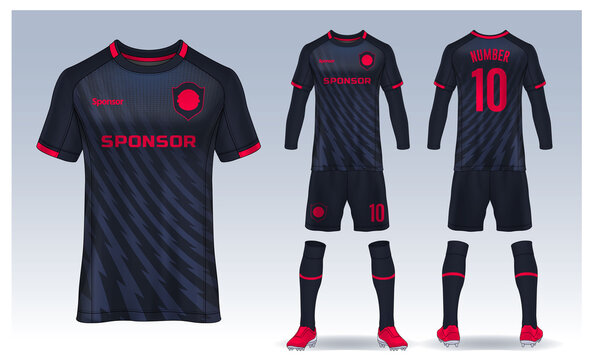
Beyond functionality, the aesthetic appeal of a jersey is an essential part of its design. Colors, logos, and patterns are carefully chosen to reflect the identity of the team or athlete. A well-designed jersey is often more than just clothing; it’s a symbol of pride and unity. Bold color combinations and striking designs can motivate players, boost team morale, and help fans easily identify their favorite teams. Designers must strike a balance between eye-catching visuals and ensuring that the jersey does not hinder performance. For instance, vibrant patterns and logos are strategically placed so they stand out without creating any discomfort or distraction for the player.
Fit and comfort are equally important in the design process. Jerseys must be crafted with ergonomic precision to ensure they move with the body rather than restricting it. Many modern jerseys feature tailored fits that allow for a full range of motion, with designs that contour to the body’s natural shape. Mesh panels, vented sections, and stretch zones are often incorporated into the jersey to improve airflow and enhance overall comfort. Whether for a tight-fitting jersey that supports a cyclist or a looser fit for a basketball player, these design elements are essential to ensuring athletes can perform at their highest level without distraction or discomfort.
In recent years, the boundaries of jersey design have expanded beyond just athletic environments. Many designers now incorporate jerseys into mainstream fashion, blending athletic wear with casual street style. This shift has led to a surge in “sportswear” fashion, where jerseys are worn not just during games but as everyday clothing. Bold logos, oversized cuts, and unique graphic prints have made jerseys a statement piece in casual wardrobes, appealing to both sports enthusiasts and fashion-conscious individuals. The integration of technology and design aesthetics has paved the way for more customizable jerseys, further merging the worlds of performance apparel and personal expression.
In conclusion, jersey design is an intricate process that requires a combination of technical knowledge and creativity. The right fabric, fit, and design are crucial to ensuring a jersey is both functional and fashionable. As jerseys continue to evolve, designers are constantly innovating to meet the needs of athletes and fans alike. What once was simply a garment for performance has now become a canvas for self-expression and team pride, showcasing the growing intersection between sportswear and modern fashion.