Picture this: A crowded university auditorium, filled to the brim with eager students awaiting a lecture. The furniture is cramped, visibility is poor, and the acoustics leave much to be desired. University furniture plays a pivotal role in creating an effective learning environment, yet many institutions overlook critical factors in their auditorium design. Are these learning spaces truly maximising their potential?
The Flaws of Traditional Solutions
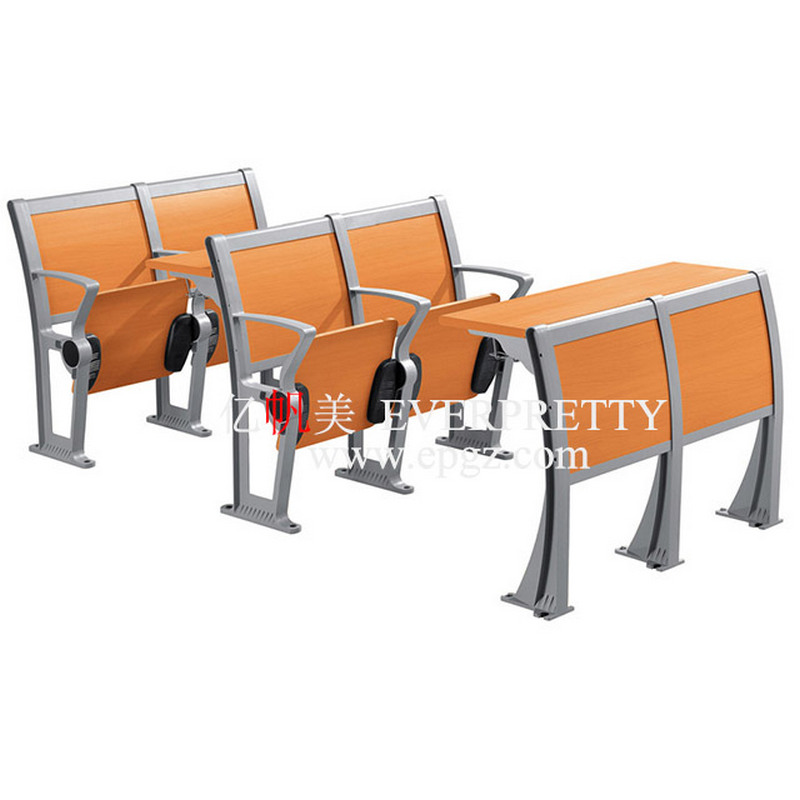
Traditional auditorium setups often struggle with durability and adaptability—the sort of challenges that can leave even the most patient faculty members grinding their teeth. Many designs are stuck in the past, failing to accommodate modern teaching methodologies and tech integrations, ultimately compromising the educational experience. This dissonance can lead to disengagement and discomfort among students. Why do failures always occur during crucial lectures? It’s often down to inadequate seating arrangements and outdated resources. As universities scramble to meet evolving requirements, the inadequacies become glaringly evident.
Revolutionising Designs with New Technology Principles
New technology principles, such as modular furniture systems and acoustic enhancements, are stepping to the fore, heralding a shift in how we conceive university auditorium design. The use of biocompatible materials ensures sustainability while maintaining ongoing performance in high-traffic environments. Look, it’s simpler than you think—when you integrate adjustable seating and flexible layouts, the space transforms into a dynamic learning hub. The creative use of design not only meets students’ physical needs but also fosters a culture of collaboration and engagement.
Quantified User Benefits in Modern Auditoriums
Quantifying user benefits is key to understanding the full impact of well-crafted university auditorium design. Institutions are reporting improved attendance rates, increased engagement, and even enhanced student satisfaction scores thanks to tailored furniture choices. Studies show that optimal seating arrangements can boost student concentration by nearly 30%, a statistic no university should ignore! When we blend comfort and functional design, the outcomes speak volumes, and learning environments flourish.
Conclusion: Essential Evaluation Metrics for Effective Solutions
When considering university auditorium design, always verify these 3 metrics when choosing solutions: ① Flexibility in seating arrangements ② Acoustic performance ③ Durability of materials. By keeping these elements at the forefront, educational establishments can ensure that their spaces not only meet current needs but also adapt to future demands.
Exploring the Heart of University Auditorium Design
As we explore the heart of university auditorium design, it’s crucial to understand that the environment shapes educational outcomes. Comfortable, ergonomic seating can significantly enhance the student experience by allowing them to engage more freely during lectures and presentations. Moreover, an open layout can facilitate more dynamic interactions between students and instructors. Investing in quality university furniture means investing in higher retention rates and greater academic success.
The Future of University Auditorium Design Begins Now
The future of university auditorium design is an exciting frontier that beckons institutions to step up. Integrating technology like smart seating arrangements or multi-purpose furniture allows for spaces that are constantly evolving. These innovations not only enhance the aesthetic appeal of auditoriums but also elevate the overall learning experience. Universities that embrace these changes will not only attract new students but also foster a reputation for excellence in education.
In summary, the design of university auditoriums is vital for creating environments that nurture learning and engagement. Brands like EVERPRETTY Furniture are leading the way with their supply advantages, ensuring that educational institutions have access to the furniture needed for modern academic success. Choosing the right manufacturer can make all the difference in creating a space that resonates with students and staff alike.