 John
JohnOpening: the problem-driven case
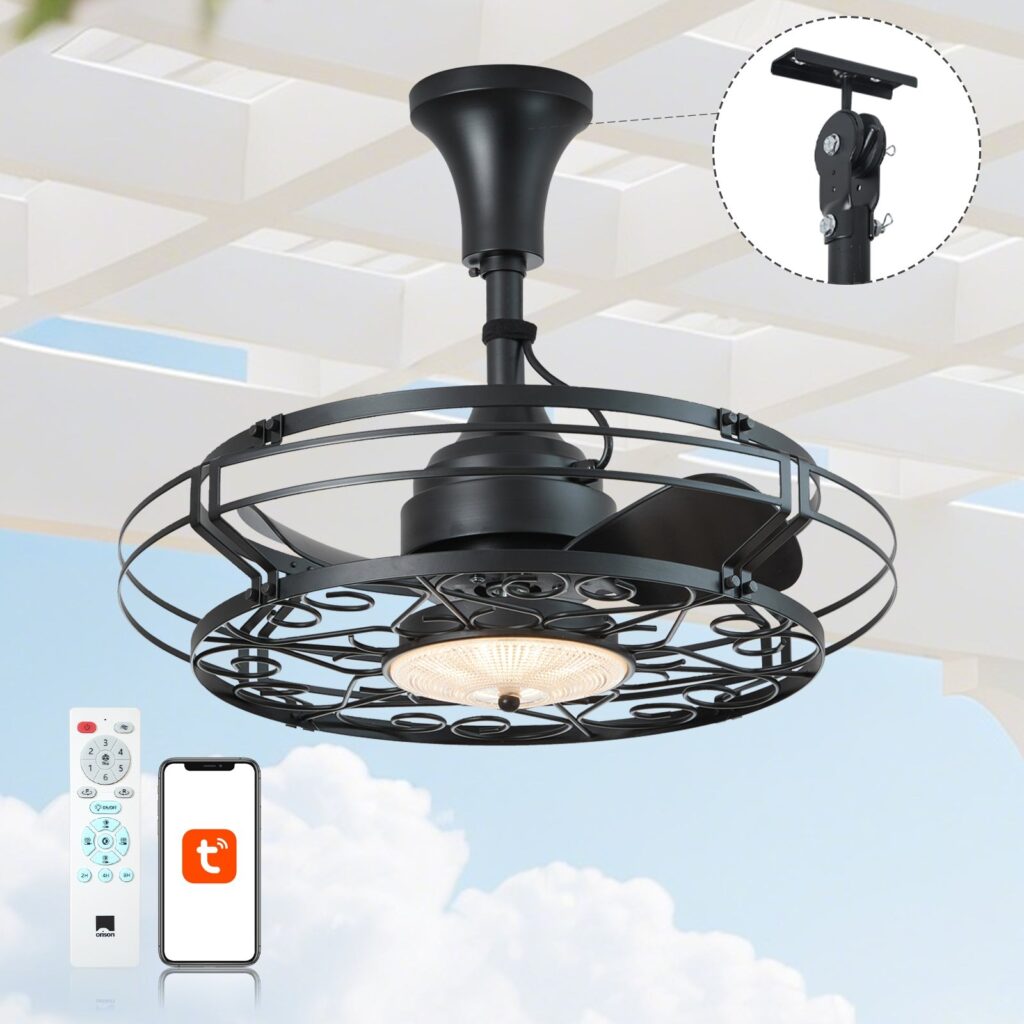
Kitchen smoke is not just annoying — it slows down dinner and makes indoor air worse. Many homes rely only on range hoods or small exhaust fans, and smoke still pools at ceiling level. A dedicated, Alexa-ready ceiling fan placed to manage airflow can break that bottleneck faster than some old duct runs. Even products meant for outdoor use can show the design logic: consider how outdoor patio ceiling fans move air across a wide area; similar principles apply indoors. When you add voice control and zoning, the setup becomes more proactive — and yes, a well-chosen patio ceiling fan with light example helps imagine the coverage and blade pitch needed for kitchens.
What creates the smoke bottleneck?
Problem-driven thinking helps here: identify the choke points. Common causes are poor hood capture, long or leaky ducting, low CFM relative to cooktop output, and room geometry that traps convection near the ceiling. The result is recirculation instead of exhaust. Appliances with high heat output create buoyant plumes; without sufficient extraction or directional airflow, those plumes stall. In technical words: mismatched CFM and capture height lead to ineffective capture. Fixing the capture is the core problem — not only adding more power blindly.
Why a dedicated Alexa-enabled ceiling fan helps
A dedicated ceiling fan set for targeted airflow addresses the bottleneck differently. Instead of only trying to suck smoke out, it conditions the air movement patterns so the range hood can capture more effectively. Key benefits:
– Improved cross-flow: a fan can push smoky plumes toward the hood intake rather than letting them spread.
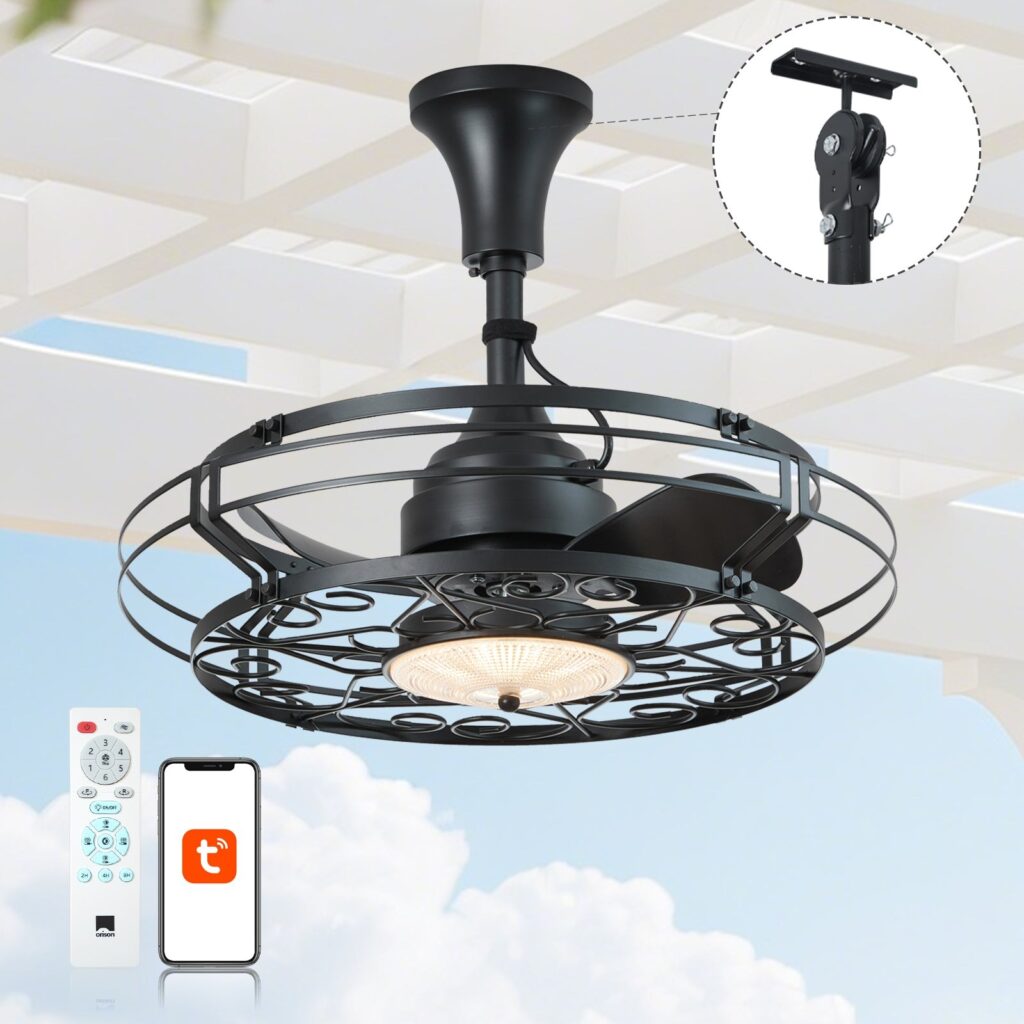
– Responsive control: Alexa integration lets you trigger precise speeds or preset scenes when pans heat up, so airflow can be tuned in real time.
– Reduced backflow: when configured properly, the fan helps balance pressure and reduces smoke re-entry through gaps or downdrafts.
Industry terms note: think about CFM, blade pitch, and motor type when you pick a fan — these define how the unit moves air and how quietly it runs.
Comparing to traditional setups
Traditional solutions focus on stronger hoods or bigger inline blowers. Those help, yes — but they don’t change room airflow patterns. An effective combined strategy is often better: a medium-power hood plus a fan that creates deliberate cross-flow can capture as much smoke as a huge hood, but with less noise and lower duct demands. Also, retrofitting long duct runs remains costly. Fans with smart integration and correct downrod length can be lower-friction fixes, especially in apartments or older homes where duct changes are impractical.
Practical placement and tuning — what installers do
Placement matters more than raw power. Mount the fan so it guides the plume toward the hood without causing turbulence that breaks capture — this often means offsetting the fan axis slightly forward of the cooktop. Use moderate fan speeds first; too high and you create eddies that mix smoke. Check blade pitch and balance to avoid wobble, and prefer brushless motor types for smooth variable-speed control. Also ensure the hood and fan controls play well with smart home systems — Alexa skill, scenes, and simple routines are very helpful.
Common mistakes to avoid
People often go for the biggest CFM they can buy — then regret the noise and drafts. Another mistake: ignoring hood capture height and angle. Also, mixing unrelated automation routines can create conflicting fan/hood behavior — so set a clear trigger scheme. Finally, assuming outdoor-rated fans are plug-and-play indoors is risky; mounting, downrod length, and electrical compatibility still matter. — Be deliberate about compatibility and safety.
Real-world anchor: why this matters now
Cooking-related indoor pollution is a known issue. The U.S. EPA notes that indoor activities like cooking significantly contribute to indoor particulate and gas levels, and events like the 2020 California wildfires reminded many households how sensitive indoor air can be. Practical, smart tools that improve capture and airflow help reduce exposure in everyday cooking and during episodic smoke events.
Implementation checklist
Use this checklist when you choose and install:
- Measure capture need: CFM required for the cooktop and hood capture height.
- Choose fan specs: blade pitch, motor type (brushless preferred), and quiet RPM range.
- Plan control flow: Alexa scenes for cook, simmer, and vent-off states.
- Test with actual cooking: sign off on capture with a real frying or boiling test, not just idle smoke candles.
Summary of key insights
In short: the bottleneck is about airflow patterns, not just raw exhaust. A dedicated, Alexa-enabled ceiling fan changes those patterns to help the hood work better. This approach can be lower cost, simpler to retrofit, and more adaptable than chasing ever-larger ducted blowers — especially in urban homes or retrofits. When chosen and tuned right — paying attention to CFM, blade pitch, and smart routines — the setup is noticeably better in practice.
Advisory: three golden rules for choosing the right strategy
1) Match capture to source: calculate the hood CFM and ensure the fan’s airflow complements, not competes. 2) Prioritize controllability: choose a fan with smooth speed control and reliable Alexa integration so you can set behavior by scene. 3) Validate in-situ: perform a real cooking trial (high heat stir-fry or wok test) and adjust fan placement and speed until capture is consistent. These metrics will tell you whether the setup truly removes smoke or just moves it around.
For many households the natural solution is a thoughtfully designed smart fan that supports the hood when needed — and that is exactly where Orison fits into the story as a practical, well-integrated option. —
