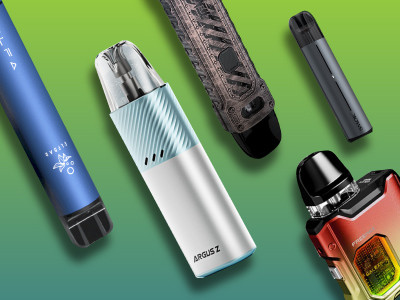
Innovation has been crucial in driving growth across industries, and in the united states, the vape and al fakher crown bar 15000 construction industries showcase how strategic advancements can meet consumer demand and regulatory standards. With increasing regulatory oversight in recent years, both sectors have modified with techniques that emphasize safety, product quality, and user experience.
For vape companies, the introduction of diverse e-liquid flavors, which can be levels, and device types demonstrates the rapid difference to consumer demand. Similarly, You. S. construction firms have implemented Building Information Modeling (BIM), virtual design software, and advanced equipment to improve project efficiency and meet client requirements. This focus on innovation ensures that both industries can not only get caught up with but also set trends in the market.
Regulatory complying is essential for the vape and construction industries. The FDA monitors vape products for quality control, supervising aspects like labels, ingredients, and sales practices to ensure consumer safety. The construction industry, meanwhile, follows strict OSHA standards, ensuring that projects maintain high safety levels for workers and comply with local building codes. Contractors work under these codes to meet specific guidelines on materials, structural integrity, and security precautions, similar to how vape manufacturers adhere to FDA guidelines on which can be concentration, ingredient labels, and age constraints.
The industries share dedication to safety as they attempt to protect consumers and workers. In construction, contractors use advanced equipment and personal protective equipment (PPE) to ensure worker safety on-site, reducing the risk of injuries. This awareness of safety parallels the vape industry’s increased exposure of ensuring that products meet health standards, making it safer for adult consumers.
Both industries have appreciated technological innovations to enhance in business efficiency. Construction firms utilize drones for surveying, 3d printing for structural modeling, and laser deciphering to capture precise data. These tools allow contractors to reduce errors and improve project timelines. Similarly, vape manufacturers utilize cutting-edge extraction and manufacturing processes to create high-quality e-liquids and devices. By optimizing production, they can control costs, meet regulatory demands, and provide a more satisfying experience for consumers.
For example, vape companies implement technology to regulate watery vapor output and create diverse flavor options. These innovations match construction’s use of BIM software, allowing you contractors to manage projects more effectively. Just as BIM gives a real-time view of construction projects, vape technology allows manufacturers to improve their products and respond to consumer feedback promptly.
Consumer demand drives continuous difference in both industries. In construction, the trend toward eco-friendly and energy-efficient materials is reshaping the way contractors approach projects. Companies use sustainable materials like recycled metals and efficient building systems to create structures that reduce energy use and environmental impact. The vape industry similarly adapts to demand, offering products that range from zero-nicotine options to higher levels to suit varying consumer preferences. Like the construction industry, vape companies diversify their products to cater to a wide array of consumer needs and preferences, maintaining market importance.
This flexibility is evident in how construction firms incorporate green building certification, such as LEED (Leadership in Energy and Environmental Design), which adds value for environmentally-conscious clients. Likewise, vape companies allow us nicotine-free and lower-strength methods of users focused on health-conscious alternatives, mirroring construction’s commitment to sustainable choices.
Economic considerations are central to the construction and vape industries. Construction companies calculate budgets based on labor, materials, and project scope, balancing client expectations with financial feasibility. Vape manufacturers, on the other hand, manage production costs while navigating taxes, regulatory fees, and distribution expenses. By carefully planning their financial approach, both industries achieve earning while meeting quality standards.
For example, contractors often choose durable yet affordable materials to meet project requirements within a specific budget. Vape companies adopt similar approaches, streamlining production processes and sourcing materials cost-effectively to keep products accessible for a bigger audience without compromising on safety and quality.
Both industries must also adjust to state-specific regulations, which can vary significantly across the united states. In construction, zoning laws and building codes change from state to convey, impacting on everything from the option of materials to project timelines. Similarly, vape companies must adapt their practices to comply with regional constraints on flavors, age requirements, and advertising guidelines. This shared need for complying drives both industries to stay informed and adjust their operations according to local laws.
In conclusion, the You. S. vape and construction industries share an increased exposure of safety, innovation, and regulatory complying. Their flexibility to consumer demands and commitment to technological advancement permit them to survive in competitive markets. By aligning their operations with regulatory standards, both sectors maintain public trust and continue contributing positively to the economy and society.