Introduction — A factory morning, a question
I remember standing on a cool factory floor while humid air met the scent of soft cloth. The machines hummed, and I watched a roll become a package. Wholesale wet wipe production line sits at the center of that scene, moving raw material through cutting, dosing, and packing with a steady beat. (You know the kind of place—lights low, alarms polite.) Data says demand for single-use hygiene products rose sharply in recent years, and producers scrambled to scale. So I ask: how do we keep speed, quality, and cost from fighting each other on the same line? That question is where this piece begins, and it will guide us through hard truths and practical fixes—so let’s step closer to the conveyor and look at the gears.
Part 2 — The deeper fault lines: why standard fixes fail
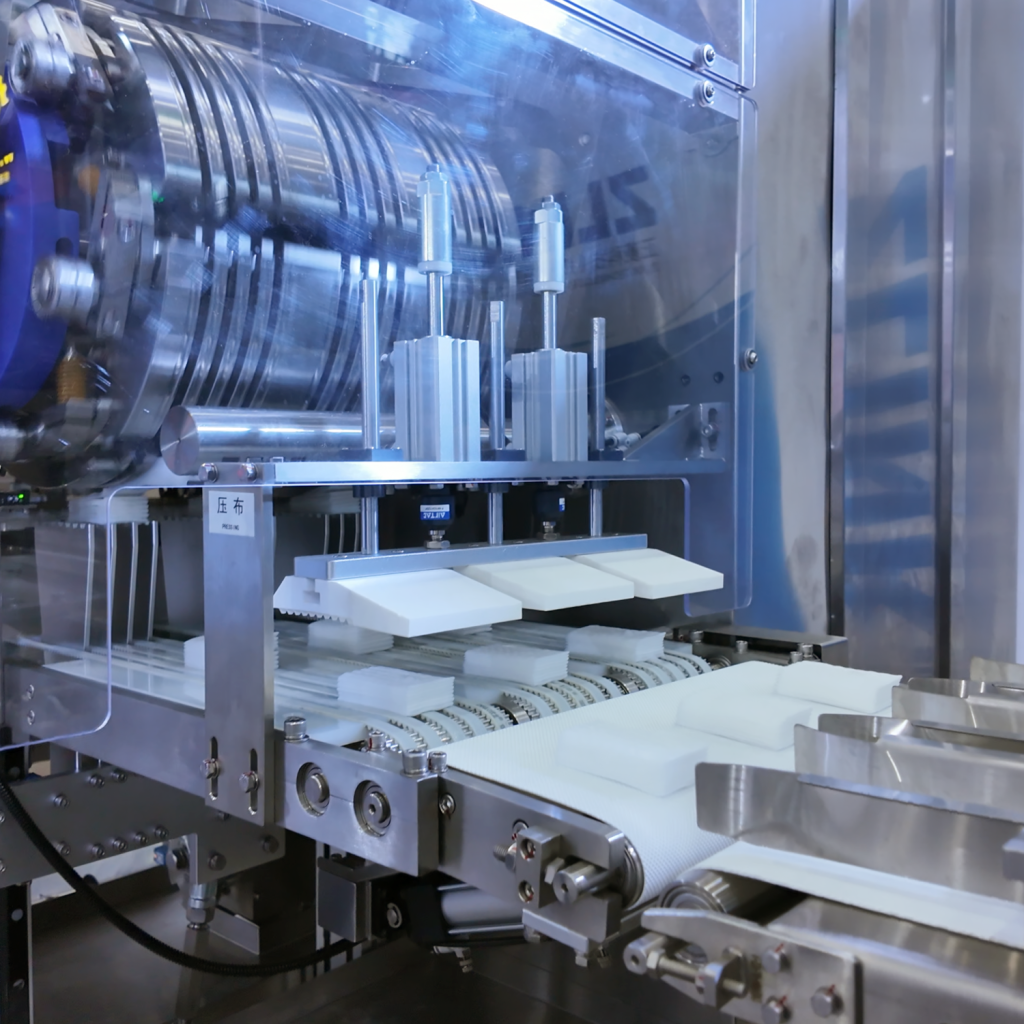
china wet wipe packaging machine wholesale often promises reliability, but I’ve seen systems break down in the usual places: changeover time, inconsistent dosing, and poor seal integrity. The direct cause? Layers of small design compromises that add up. PLC logic gets patched, servo motors run at limits, and a misaligned conveyor belt forces operators into manual correction. Look, it’s simpler than you think: one tiny error in feed tension ripples through the line and you lose dozens of packs. We find ourselves chasing symptoms instead of fixing root causes. I’m not saying upgrades are always wrong. I’m saying the classic quick-fix mentality—add a part, tweak a timer—doesn’t cut it when throughput and hygiene standards both matter.
What’s causing the most trouble?
Two hidden user pains stand out. First, maintenance load: teams spend more hours on routine fixes than on planned improvements. Second, data blindness: without clear metrics from sensors and edge computing nodes, you can’t prevent repeated failures. The result is higher downtime and lower yield. I’ve sat with operators who prefer to slow the line rather than risk more rejects. They know the weak links by feel. That tacit knowledge matters. We should listen to it—and then back it up with better control strategies and smarter power converters that handle transient loads. Small steps. Big effect.
Part 3 — Forward motion: new principles and practical outlook
What I want next for a china wet wipe packaging machine wholesale is a system that thinks like a team player. Modern principles favor modularity, predictive maintenance, and clearer human–machine interaction. For example, sensor arrays streaming simple, actionable alerts can cut troubleshooting time in half. Replace a tangled PLC ladder logic with organized blocks that match plant tasks. Add IoT nodes for trend logging. These are not sci-fi. They are incremental. They feel intuitive once you live with them—funny how that works, right?
What’s next?
Technically, upgrading to smart drives and using standardized interfaces reduces both training time and spare-part variety. Practically, pilot a line with real operators for a month before full rollout; their feedback will expose awkward workflows you can’t spot on paper. You’ll also want to monitor vibration, temperature, and seal quality through simple sensors and a basic dashboard. That combination—operator insight plus modest tech—yields faster changeovers and fewer product losses.
Closing — How to choose and measure
I’ll leave you with three metrics I always use when evaluating solutions: 1) Effective Throughput Rate — how many sellable packs per hour after real-world stoppages; 2) Mean Time to Repair (MTTR) — the real clocked time operators spend fixing faults; 3) Changeover Time — from last good pack of one SKU to first good pack of the next. Those are practical. They tell the story you need to hear. Use them, compare vendors, and demand clear answers. If you want a trusted starting point, check the work behind ZLINK — they helped a client cut changeover time by a measurable margin. I’ve seen it myself, and that matters to me. 64 ARTICAL
When Process Design Leads: Rethinking Wholesale Wet Wipe Production Lines
Introduction: A Small Spill, Big Questions
I once watched a plant manager sigh over a puddle of cleaning solution on the shop floor — a tiny scene that said a lot. The line in question was a wholesale wet wipe production line, humming along but leaking efficiency like that drip. Sales were steady, but downtime crept up: 5–7% overtime on some shifts, inventory buffers swelling, and quality checks that kept the team up at night (we all hate wasted rolls). Where do you even start when small glitches multiply into costly slowdowns?
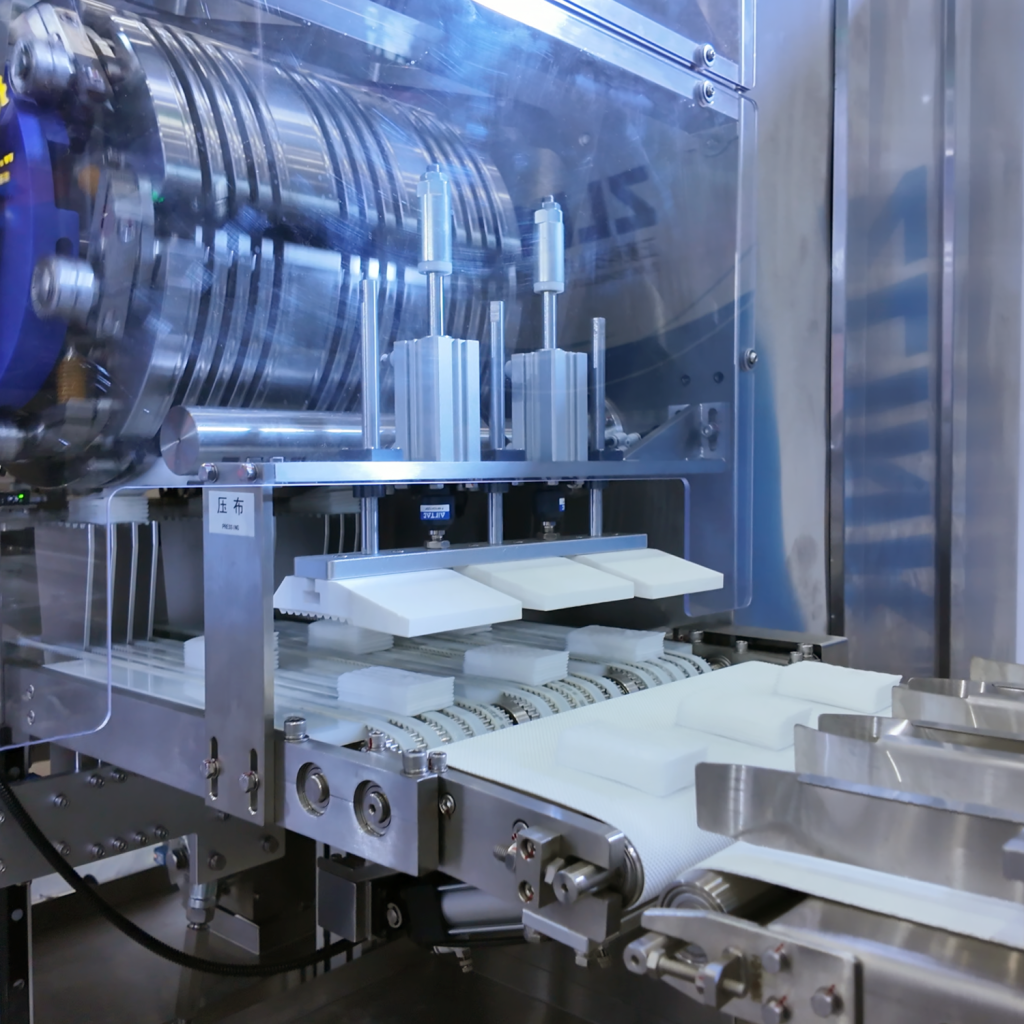
I want to be clear: this isn’t about blaming people. It’s about how design choices — from conveyor spacing to control logic — steer outcomes. I’ll walk you through what I’ve seen work, what tends to fail, and how a few mindful changes can save time, money, and headaches. Let’s move from the puddle to the plumbing — and see what parts of the process really need attention.
Part 2 — Deeper Layer: Why Old Fixes Don’t Cut It
china wet wipe packaging machine wholesale shows up in supplier lists, brochures, and quick quotes, but the real test comes on the floor. I’ve noticed recurring failures in setups that rely on band-aid fixes: manual jam clearing, ad-hoc speed matching, and over-reliance on single-point controls. Those solutions hide deeper problems: mismatched servo motor tuning, inadequate PLC logic for product variants, and conveyor system routing that invites misfeeds. It’s not glamorous. Look, it’s simpler than you think — but only if you look honestly.
What typically goes wrong?
Speed mismatches between rotary die-cutting stations and packers create tension. Filler pump inconsistencies lead to soggy or dry wipes. Heat seal defects stem from poor sensor placement. Each symptom is a clue. When I audit a line, I sketch the control loops, note sensor locations, and trace material flow. That tells me whether we need a control tune, a different sealing head, or a layout rework. It’s practical. And yes — small layout changes often beat expensive upgrades.
Part 3 — Forward-Looking: Principles and Practical Steps
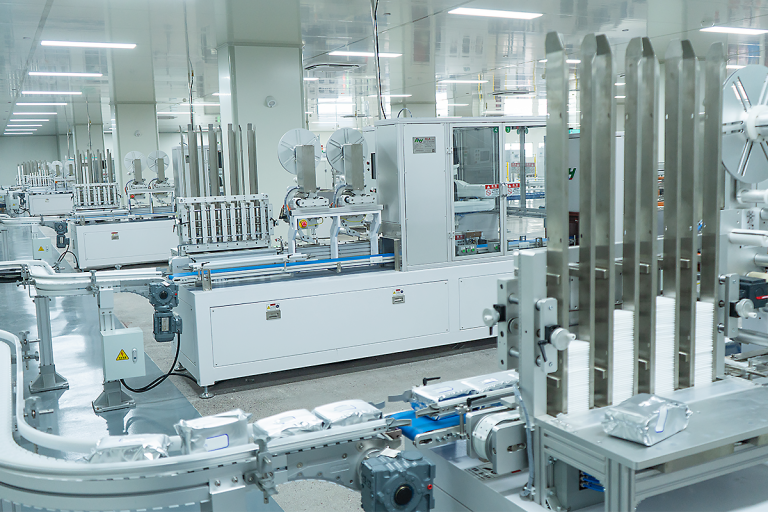
Looking ahead, I favor two approaches: adopt clear technology principles, or test case-driven upgrades. For principles, focus on modular design, repeatable control logic, and easy access for maintenance. For a case example — we swapped a single, centralized control cabinet for distributed PLCs on a mid-size line that handled multiple formats. The change cut changeover time by nearly half and reduced error codes by two-thirds. That’s measurable. — funny how that works, right?
What’s Next?
Don’t chase every new widget. Start with the basics: reliable sensors, proper servo tuning, and a conveyor system mapped to product flow. Then layer in format-flexibility and automation that supports operators rather than replaces them. If you’re evaluating equipment like the china wet wipe packaging machine wholesale, ask for real-world run reports, not just specs. I always request footage of the exact product width, roll diameter, and seal type in use — it tells me more than a brochure ever will.
Before you decide, consider three quick evaluation metrics I use with clients:1) Mean Time Between Changeovers — how long to switch formats? 2) Fault Recovery Time — how fast does the line recover from a jam? 3) Operator Workload Index — can one person manage the line safely and without frantic juggling? Use these to compare options head-to-head. If you want a vendor name I trust, check out ZLINK — they’ve been solid on modular designs and documentation in my experience.