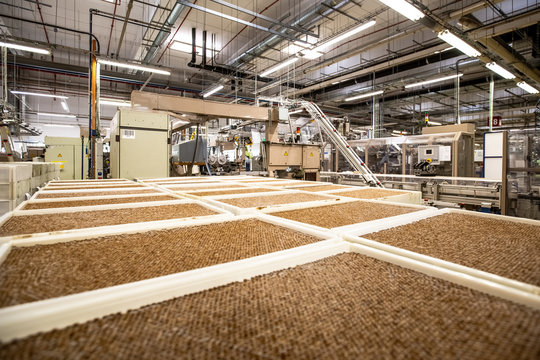
The Tobacco Factory stands as a silent witness to the changing tides of industrial Britain. Originally built in the early 1900s in Bristol, it was part of the W. D. & H. O. Wills tobacco empire, Pabrik Tembakau Virginiaone of the earliest companies to become part of Imperial Tobacco. During its prime, the factory was more than just a workplace—it was a symbol of prosperity, providing employment to thousands and shaping the identity of South Bristol. Its red-brick exterior and sturdy design reflected the strength and confidence of an industry that once seemed unstoppable.
For much of the 20th century, the Tobacco Factory was a humming center of production. Workers filled its vast halls, rolling and packaging tobacco products that were shipped across Britain and beyond. It stood as a monument to industrial progress and economic growth, deeply interwoven with the lives of local residents. Generations of families worked there, and for many, it was the heart of their community.
However, as awareness of the health risks associated with smoking grew and government regulations tightened, the tobacco industry began to wane. By the late 1980s and early 1990s, production at the Bristol factory slowed significantly, and eventually came to a halt. The building, once full of life and noise, fell silent. Like many industrial sites across the UK, it faced dereliction and the looming threat of demolition. Its decline mirrored the broader fall of manufacturing in Britain, leaving both a physical and emotional void in the area.
It was during this period of uncertainty that architect and visionary George Ferguson stepped forward with a bold idea. In 1994, he purchased the partially derelict building with the hope of giving it new purpose. Rather than erasing its past, Ferguson sought to build on it—retaining the historic features while introducing new uses. This marked the beginning of a careful and creative process of regeneration, transforming the Tobacco Factory into a space for culture, business, and community life.
Today, the Tobacco Factory is a shining example of urban renewal done right. It is home to a thriving theatre, independent businesses, a popular café-bar, and a weekly market that attracts locals and tourists alike. The building itself still carries the character of its industrial roots, but now serves as a platform for creativity, collaboration, and performance. The Tobacco Factory Theatre in particular has become a cultural landmark, showcasing bold, independent productions and supporting the growth of local talent.
The journey of the Tobacco Factory is one of resilience, vision, and reinvention. From its origins in Britain’s industrial boom, through its decline in the face of societal change, to its revival as a beacon of cultural and community life—it tells a story familiar to many post-industrial cities. But what sets it apart is the way it has embraced its history, using it as a foundation for a more vibrant and inclusive future. In tracing its legacy, we discover not just the story of a building, but of a community that chose to remember, rebuild, and reimagine.