Did you know that the embedded systems market is projected to reach a staggering $200 billion by 2025? That’s right! As technology continues to advance, embedded PCs are becoming increasingly integral in various industries. But with great innovation comes great responsibility—especially when it comes to legal regulations.
The Basics of Embedded PC Industrial and Its Legal Attributes
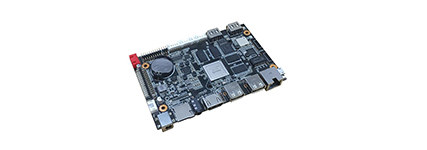
So, what exactly is embedded pc industrial? In simple terms, it’s all about integrating computing capabilities into machines or devices that aren’t traditionally considered computers. This includes everything from smart appliances to industrial automation systems. Now, when we talk about its legal attributes, we’re diving into a world filled with compliance standards and regulations designed to protect consumers. One key area here is Consumer Protection Laws, which ensure that products are safe and meet certain quality standards before they hit the market.
Diving Deeper: Mini PC China and Consumer Protection Laws

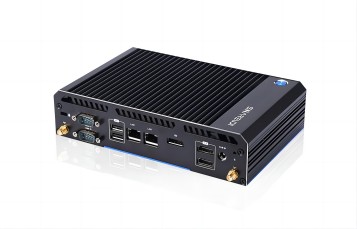
Now let’s zoom in on mini PCs coming out of China—a hot topic these days! These compact powerhouses often face scrutiny under Consumer Protection Laws due to their widespread use in consumer electronics. Manufacturers must adhere strictly to safety guidelines regarding electrical components and software reliability. Additionally, transparency around product specifications becomes crucial; consumers need accurate information about performance metrics so they can make informed choices without falling victim to misleading claims.
Find more about mini pc China.The ShareVDI Perspective on Consumer Protection Laws
When it comes to sharevdi (Virtual Desktop Infrastructure), there are several noteworthy aspects related to Consumer Protection Laws:
- User Data Security: Ensuring user data privacy through robust encryption methods.
- Service Reliability: Guaranteeing uptime commitments so users aren’t left hanging during critical tasks.
- Clear Terms of Service: Providing transparent agreements outlining user rights and responsibilities.
- Error Resolution Protocols: Establishing clear processes for addressing service issues promptly.
- User Support Accessibility: Offering readily available customer support channels for troubleshooting assistance.
A Final Thought on Embedded PC Industrial’s Role in Consumer Protection
In conclusion, as we navigate this exciting realm of embedded PCs—whether they’re powering our homes or driving industry forward—we can’t overlook their implications under Consumer Protection Laws. From ensuring product safety standards are met by manufacturers like those producing mini PCs in China, to maintaining high-quality service levels seen with solutions like ShareVDI—the focus remains firmly on protecting us as consumers while fostering innovation!