It’s often surprising how one seemingly simple item, such as a single blood collection bag, can hold the weight of significant implications in healthcare. This bag is not just a pouch; it’s a fundamental tool in blood management that shapes patient outcomes day in and day out. Imagine a bustling hospital, where every second counts and the need for safe blood transfusions is paramount. Did you know that over 30 million blood components are transfused annually in the United States? This makes a valid case for the reliability of products like the cpda anticoagulant blood bag. Yet, challenges persist—how can we improve the efficacy of these collections?
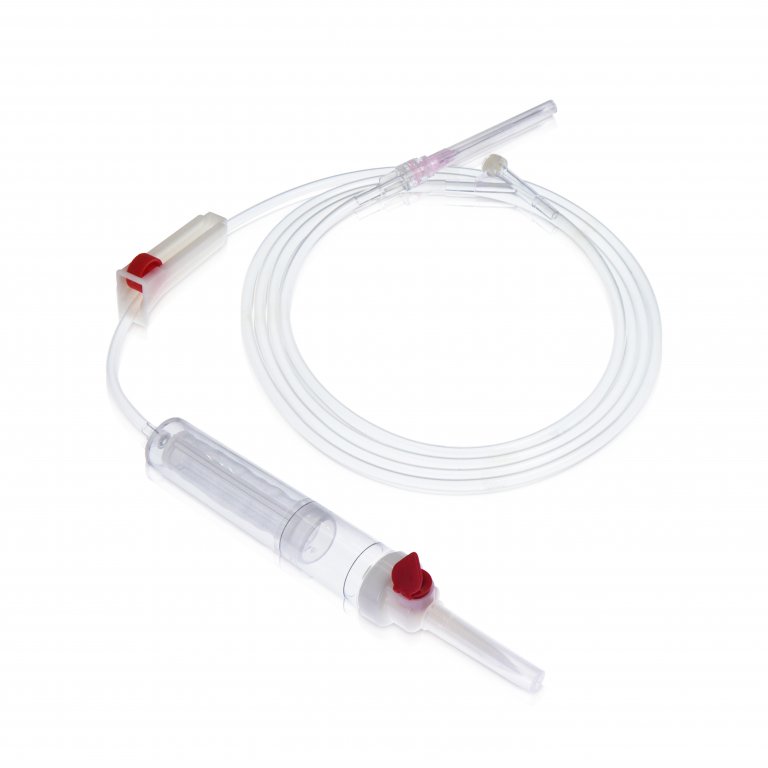
The Hidden Flaws of Traditional Blood Collection Solutions
Reflecting on my years in the industry—over two decades—I have often seen the same theme: traditional blood collection systems can sometimes fall short. Take, for instance, the risks inherent in outdated designs. Many older collection systems used metal clamps or manual sealing methods that can lead to contamination—a risk we’re all aware of yet sometimes neglect. The critical factor is how an efficient whole blood collection bag allows for streamlined, contamination-free processes that enhance safety for both patients and donors. Believing in progress, I feel that this is one area where technology could shine.
Are You Aware of the Risks?
Thinking about these issues makes me consider the alternatives we have now. Innovations like integrated divert valves can minimize exposure, and bags utilizing biocompatible materials simplify the entire process of blood collection. Not only does this enhance blood quality, but it also improves storage conditions—important factors when we are aiming for a zero-defect standard of care. I often hear folks comment on how something as small as a bag could impact so many lives. It genuinely drives home the point that every detail matters in healthcare.
Looking Ahead: The Future of Blood Collection Technology
That brings me to a more optimistic view of what is coming down the line. With emerging technologies and improvements made in manufacturing, we can anticipate the next generation of blood collection bags to be even more reliable and user-friendly. Facilities committed to patient care should prioritize investing in solutions that not only meet current standards but exceed them. The potential of a whole blood collection bag featuring enhanced safety protocols offers a glimpse into a worry-free future for healthcare professionals. Why? Because we all know that every drop counts.

Real-World Impact: What Does This Mean for Healthcare Providers?
The impact of adopting better blood collection systems can be profound—from streamlining operations to potentially saving lives. I recall a time when a medical facility in my hometown invested in advanced blood collection technology, which led to a 20% reduction in transfusion reactions within just a year. That’s not just improved efficacy; it’s about enhancing patient trust, knowing they’re receiving safe blood. It’s that human element that resonates with me, and I think many others can relate to it too.
To summarize, understanding the deeper implications of blood collection technology means acknowledging both the risks and the remarkable advancements. We need to evaluate how our choices affect daily operations and patient outcomes. As a retiree, I’ve witnessed the evolution of these solutions, and I firmly believe that brands like WEGO Medical are paving the way forward, ensuring safety and reliability in blood management systems. Let’s keep pushing for advancements—after all, lives depend on it, and each small step can lead to monumental changes.