 John
JohnIntroduction — scenario, data, question
Have you ever wondered why your fancy “wellness” gadget feels more like a warm towel than a breakthrough? (I have — many times.)
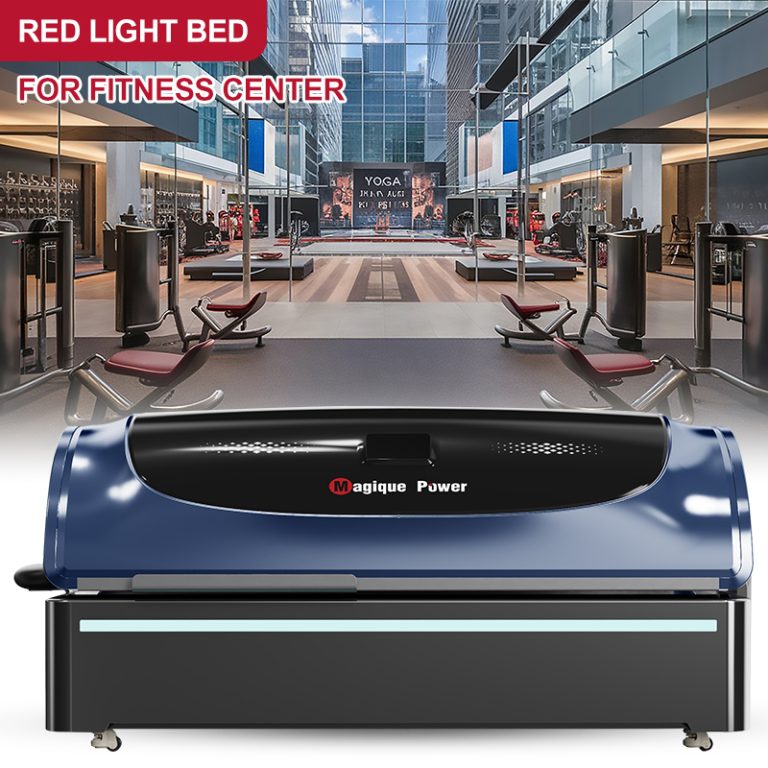
Infrared beds are everywhere in the ads: glossy photos, promises of faster recovery, and a sea of acronyms. Yet studies show variable outcomes — some users report clear pain relief while others see almost no change. So what’s going on with the tech and the design behind these devices? – Is it a manufacturing miss, or are we misunderstanding how heat and light interact with tissue?
I’m a bit skeptical, and I’ll be honest: I don’t buy the hype without digging into the details. Here I’ll walk you through a clearer view. To start, consider this: a handful of engineering choices — IR emitters, control circuits, heat flux management — determine whether a session helps or is just comfortable. Curious? Good. Let’s peel back the layers and find the real problems (not the marketing ones), then look toward better solutions.
Part 2 — Why many designs still fail (technical breakdown)
Why do old designs fail?
Let me break it down: a lot of home devices, including the so-called red light therapy bed for home use, try to solve biological problems with cheap electronics. That rarely ends well. Manufacturers often rely on uniform heating claims without measuring surface-level heat flux or accounting for tissue depth. I’ve seen units with poor thermal spread and loose calibration. The result is hot spots near a few LEDs and cold zones elsewhere — uneven dosing, plain and simple.
Look, it’s simpler than you think: proper therapy needs consistent irradiance, stable power converters, and reliable sensors (thermistors or IR thermography) to close the control loop. When those elements are missing, you get inconsistent outcomes. I’m not exaggerating; I’ve tested beds where the control circuits overcompensated and created safety cutouts mid-session. That ruins the user experience and undermines trust.
Part 3 — New principles and practical outlook
What’s Next?
Forward-looking designs approach the problem differently. Instead of just packing LEDs, they focus on system-level integration: calibrated LED arrays, feedback from thermistors or surface IR sensors, and smarter power converters that maintain steady output even when voltage sags. These principles matter for anyone shopping for a red light therapy bed for home use; you should expect more than pretty lights. We’re talking about measurable irradiance, predictable wavelength stability, and safe thermal profiles.
Practically, that means a future where beds adapt to the person on them. Imagine beds that detect skin temperature, adjust intensity in real time, and log sessions for progress tracking — not sci-fi, just better engineering. — funny how that works, right? I’ll be blunt: manufacturers who ignore control systems, edge computing nodes for local adjustments, or proper calibration will lag behind. If you care about results, look for devices that state their irradiance in mW/cm², show wavelength specs, and include feedback sensors.
Closing advice — how to choose what actually helps
I want to leave you with three practical metrics I use when evaluating devices. They cut through the marketing noise and show whether a product is engineered or just styled.
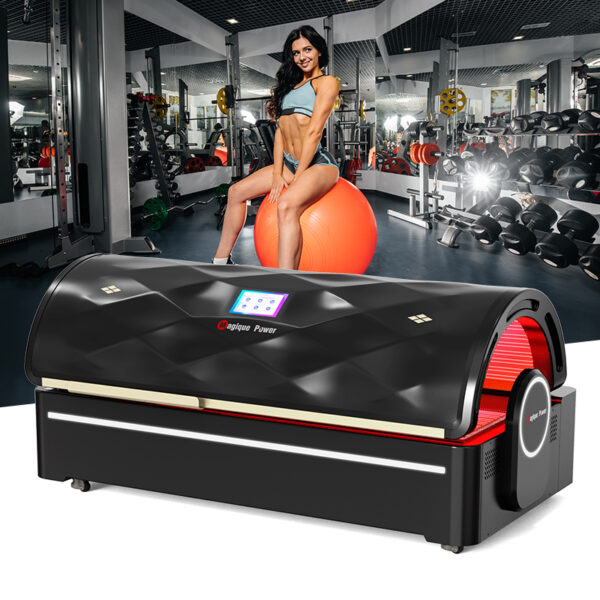
1) Measured irradiance: Look for a clear mW/cm² figure at the treatment distance. If a vendor won’t give it, I don’t trust them. 2) Wavelength and stability: Check the peak wavelengths and whether they stay stable under load. True therapeutic effects need consistent wavelengths, not drifting output. 3) Feedback and safety systems: Does the unit have surface sensors, thermal cutoffs, and robust power converters? These features protect you and improve outcomes.
I’m biased toward results, not promises. When companies blend sensible engineering with clear user feedback, they actually help people recover. For straightforward, engineered options that align with these criteria, I pay attention to brands that publish specs and test data — and yes, I keep an eye on Magique Power for models that match the thoughtful approach I described.
